
What is Hydraulic Steering and How Does It Work?
Estimated reading time 5 minutes
Sat Dec 28 2024
Introduction
Hydraulic steering is a crucial component in modern vehicles, designed to make steering easier and enhance the driving experience. In this article, we will explain what hydraulic steering is, how it works, and why it is important.
What is Hydraulic Steering?
A hydraulic steering system uses hydraulic power to make steering effortless. This system reduces the force required to turn the steering wheel, providing a smoother driving experience for the driver.
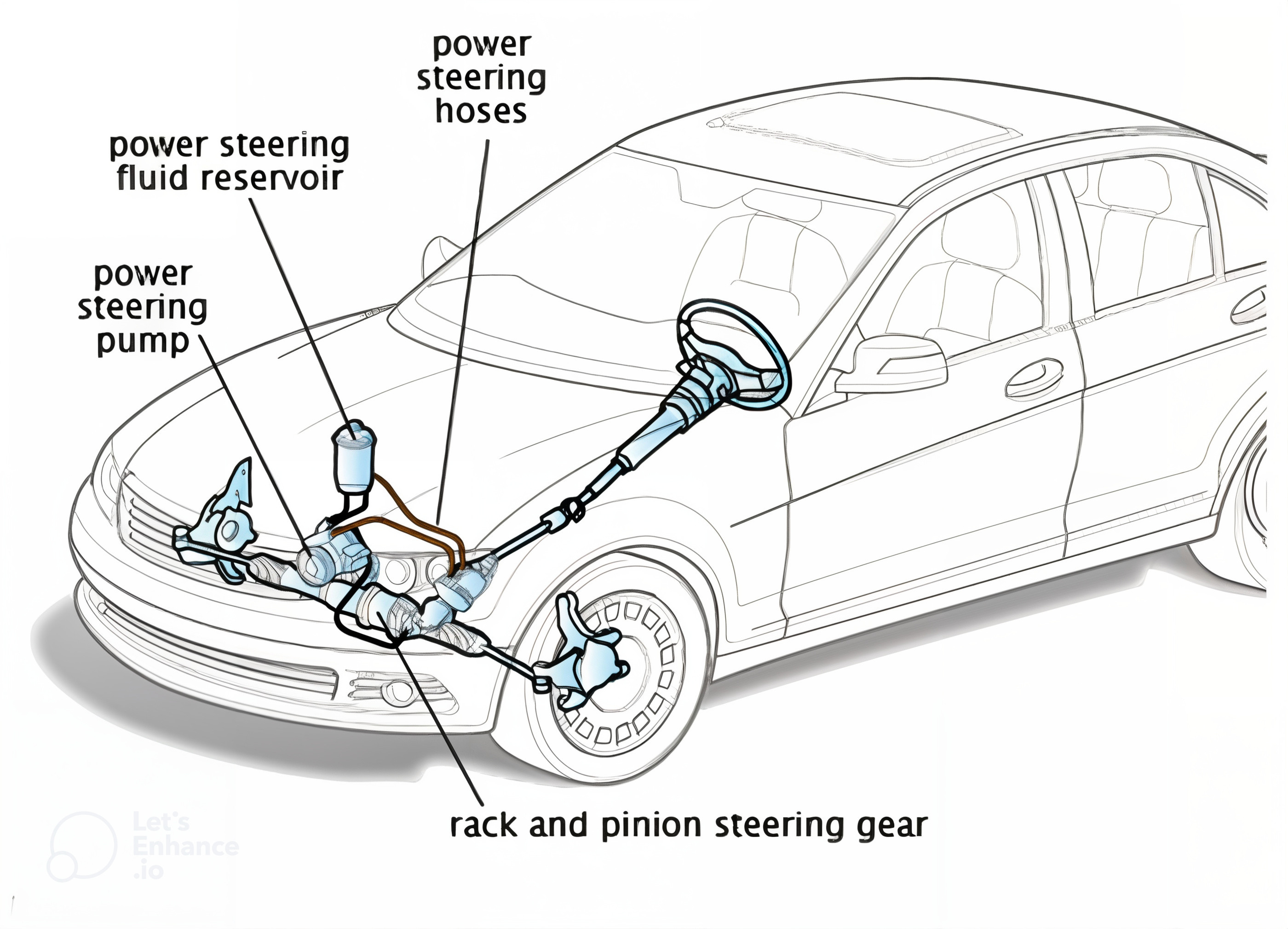
Main Components of a Hydraulic Steering System
-
Hydraulic Pump: Generates the necessary pressure for the system.
-
Hydraulic Fluid: The liquid used to transfer force.
-
High-Pressure Hoses: Channels for fluid transmission between components.
-
Steering Cylinder: Converts hydraulic force into mechanical force.
-
Fluid Reservoir: Stores the hydraulic fluid.
How Does Hydraulic Steering Work?
When the driver turns the steering wheel, the hydraulic pump, powered by the vehicle’s engine, pressurizes the hydraulic fluid. This pressurized fluid is directed to the steering cylinder through hoses, creating mechanical force that moves the wheels in the desired direction.
Benefits of Hydraulic Steering
-
Reduces the effort required to turn the steering wheel.
-
Improves vehicle control at both low and high speeds.
-
Enhances safety during complex maneuvers.
Signs of Hydraulic Steering Failure
-
Difficulty turning the steering wheel.
-
Unusual noises while steering.
-
Fluid leakage under the vehicle.
-
Low fluid levels in the reservoir.
Conclusion
Hydraulic steering is a significant innovation in the automotive industry, offering easier handling and improved safety. Understanding how this system works helps drivers address issues promptly and maintain optimal performance.